| Gastroenterology Research, ISSN 1918-2805 print, 1918-2813 online, Open Access |
| Article copyright, the authors; Journal compilation copyright, Gastroenterol Res and Elmer Press Inc |
| Journal website https://gr.elmerpub.com |
Original Article
Volume 18, Number 6, December 2025, pages 269-275

The Impact of Chronic Pancreatitis Etiology on Clinical Outcomes: A Population-Based Propensity-Matched Analysis
Khaled Elferta, j, Mohammed Abusulimanb, j, k, Mohamed Eldesoukic, Omar T. Ahmedd, Hazem Abosheaishaae, Azizullah Beranf, Mouhand Mohamedg, Mahmoud Nassarh, Shailendra Singha, Sherif Elhanafii
aDivision of Gastroenterology, West Virginia University School of Medicine, Morgantown, WV, USA
bDepartment of Internal Medicine, Henry Ford Health System, Detroit, MI, USA
cDepartment of Internal Medicine, New York Medical College at St. Michael’s Medical Center, Newark, NJ, USA
dDivision of Gastroenterology and Hepatology, University of Illinois at Chicago, Chicago, IL, USA
eDepartment of Medicine, Icahn School of Medicine at Mount Sinai, Queens Hospital Center, New York, NY, USA
fDivision of Gastroenterology, Indiana University School of Medicine, Indianapolis, IN, USA
gDivision of Gastroenterology and Hepatology, Mayo Clinic, Rochester, MN, USA
hDepartment of Medicine, Jacobs School of Medicine and Biomedical Sciences, University at Buffalo, NY, USA
iDivision of Gastroenterology and Hepatology, Texas Tech University Health Sciences Center, El Paso, TX, USA
jKhaled Elfert and Mohammed Abusuliman contributed equally to the manuscript.
kCorresponding Author: Mohammed Abusuliman, Department of Internal Medicine, Henry Ford Hospital, Detroit, MI 48202, USA
Manuscript submitted May 26, 2025, accepted October 14, 2025, published online December 20, 2025
Short title: A Propensity-Matched Analysis of CP
doi: https://doi.org/10.14740/gr2050
| Abstract | ▴Top |
Background: Chronic pancreatitis (CP) is a complex disease with various underlying etiologies, including alcohol consumption, smoking, autoimmune disorders, genetic predispositions, and other less common causes. Despite extensive research, the impact of these different etiologies on disease progression, complication rates, and long-term outcomes remains insufficiently understood. In particular, the distinction between alcohol-related chronic pancreatitis (ARCP) and non-alcohol-related chronic pancreatitis (NARCP) is not well established in terms of prognosis and therapeutic needs.
Methods: We conducted a retrospective cohort study utilizing the TriNetX US Collaborative Network to compare baseline characteristics and clinical outcomes of ARCP versus NARCP. Propensity score matching (PSM) was applied to balance baseline characteristics between both cohorts. Primary outcome was mortality, while secondary outcomes included exocrine pancreatic insufficiency (EPI), pseudocyst formation, development of diabetes and pancreatic cancer, and need for endoscopic retrograde cholangiopancreatography (ERCP) and celiac plexus injection.
Results: A total of 203,432 patients with CP were identified, including 11,696 ARCP and 200,560 with NARCP. After PSM (11,678 per group), ARCP was associated with significantly lower rates of mortality (13.0% vs. 16.2%; risk ratio (RR) 0.80), diabetes (22.9% vs. 35.8%; RR 0.64), exocrine pancreatic insufficiency (2.0% vs. 6.1%; RR 0.32), pancreatic cancer (1.1% vs. 8.4%; RR 0.14), and pseudocyst formation (7.1% vs. 9.7%; RR 0.73) compared to NARCP (all P < 0.001). ARCP patients also had lower rates of celiac plexus injection (0.1% vs. 0.8%; RR 0.12) and ERCP (2.3% vs. 10.2%; RR 0.23) (both P < 0.001).
Conclusion: In this large, retrospective cohort study, patients with ARCP demonstrated lower rates of mortality, complications, and need for interventions compared to those with NARCP. These findings highlight potential differences in disease progression and clinical management between ARCP and NARCP. Further studies are needed to elucidate underlying mechanisms contributing to these disparities and to refine patient-specific treatment approaches.
Keywords: Chronic pancreatitis; Alcohol-related chronic pancreatitis; Non-alcohol-related chronic pancreatitis
| Introduction | ▴Top |
Chronic pancreatitis (CP) is a progressive inflammatory disease of the pancreas that leads to irreversible structural changes, with potential loss of exocrine and endocrine function, and recurrent or persistent abdominal pain. Limited evidence suggests that the incidence and prevalence of CP are approximately 25 per 100,000 and 92 per 100,000 persons, respectively [1]. These numbers reflect a significant burden on both affected individuals and healthcare systems due to recurrent hospitalizations with excessive resource utilization, nutritional deficiencies, and increased risk of pancreatic cancer.
The etiological factors underlying CP are diverse, with alcohol use disorder historically regarded as a primary cause [2]. Alcohol-related chronic pancreatitis (ARCP) typically results from long-term alcohol consumption, which induces oxidative stress, direct toxic injury, and inflammatory processes within the pancreas. However, CP can also occur in individuals without a history of significant alcohol use, which is termed non-alcohol-related chronic pancreatitis (NARCP). This form of pancreatic disease encompasses cases attributable to recurrent acute pancreatitis, hereditary pancreatitis due to sequence variation in genes such as PRSS1 or SPINK1, autoimmune diseases, obstructive pancreatic duct lesions, and idiopathic causes [2, 3].
Patients with CP can experience variable clinical courses depending on the underlying etiology, with some evolving literature showing different pathways for outcomes based on the etiology which may impact the clinical outcomes of this debilitating disease [4]. Literature suggests that ARCP and NARCP might differ in terms of disease progression, complications, response to treatment, and overall prognosis [5]. Importantly, the timeline of morphological and functional pancreatic changes differs markedly between ARCP and NARCP [5]. In idiopathic CP, particularly in younger patients under the age of 35, these changes may take a decade or more to manifest after symptom onset. In contrast, patients with ARCP often exhibit these changes at diagnosis or within a much shorter period following initial symptoms [5]. Also, patients with ARCP may be more susceptible to associated comorbidities such as malnutrition, liver disease, and metabolic disturbances [6], whereas those with NARCP might present with varying phenotypes depending on their specific underlying condition, potentially influencing treatment outcomes and quality of life [7].
In this study, we are assessing these clinical outcomes, based on the underlying etiology of chronic pancreatitis. Understanding the different outcomes of patients with ARCP versus NARCP is essential for optimizing patient care and developing tailored therapeutic strategies. We aimed to leverage real-world data from a large, national database to comprehensively explore the different outcomes in patients with ARCP versus NARCP by evaluating the central clinical outcomes that affect patient well-being, including mortality, exocrine pancreatic insufficiency (EPI), pseudocyst formation, the need for celiac plexus injection or endoscopic retrograde cholangiopancreatography (ERCP), and development of diabetes or pancreatic cancer. Understanding the nuanced features of CP will improve our ability to stratify treatment approaches for distinct patient populations with unique needs.
| Materials and Methods | ▴Top |
Data source and study design
This was a retrospective cohort study of patients with CP in the TriNetX database (Cambridge, MA, US). We utilized the TriNetX US Collaborative Network, a robust global federated health research platform that provides access to electronic health records from a vast array of large healthcare organizations across the United States (US). TriNetX US Collaborative Network aggregates de-identified patient data from 71 US institutions, encompassing over 130 million individuals and thereby offering a comprehensive and diverse dataset ideal for conducting large-scale observational studies. The federated nature of the network ensures data privacy and security while enabling researchers to perform real-time analytics across multiple institutions without the need for data centralization. Clinical variables can be derived directly from the electronic health records within TriNetX through a built-in natural language processing system that extracts variables of interest from clinical documents. Robust quality assurance of the database is achieved at the time of data extraction before inclusion within the database. The interface provides only aggregate counts and statistical summaries to protect patient health information, ensuring that data remain deidentified at all levels. Additionally, TriNetX obfuscates patient counts < 11 to further ensure patient anonymity. TriNetX, LLC complies with all required data privacy laws including the US Health Insurance Portability and Accountability Act (HIPAA). As per the deidentification standard outlined in Section §164.514(a) of the HIPAA privacy rule, any patient-level data supplied in a dataset created by the TriNetX platform or aggregated data shown on the platform comprise only deidentified data. This study did not require institutional review board permission because it used only retrospective deidentified patient records and did not include the acquisition, use, or transmission of personally identifiable data.
Study population and patient selection
A real-time search and analysis of the US Collaborative Network in the TriNetX platform was conducted and updated through October 10, 2025. Inclusion criteria included adult patients (age ≥ 18 years) with a diagnosis of CP. Patients were stratified into two groups based on the documented etiology: ARCP vs. NARCP. Patients were identified with International Classification of Diseases, 10th Revision (ICD-10) codes specific to CP. To ensure the accuracy of patients’ classification, the following criteria were applied to identify the two patient groups. Patients with ARCP were identified based on alcohol-induced CP ICD-10 code K86.0. Patients with ICD-10 code K86.1 (other chronic pancreatitis) were not included in the ARCP group. Patients with NARCP were identified based on ICD-10 code K86.1. Patients with ICD-10 codes of alcohol use disorders (F10) and alcohol-induced CP (K86.0) were excluded from the NARCP group to exclude patients with recorded history of alcohol intake disorders who could have been coded as other chronic pancreatitis while they had history of alcohol intake.
Baseline characteristics and outcome measures
Baseline demographic characteristics (age, sex, race, and ethnicity) and comorbid conditions (hypertension, nicotine dependence, congenital malformation of the pancreas and pancreatic duct, chronic ischemic heart disease, obesity, cirrhosis, hyperlipidemia, and cystic fibrosis) were extracted and compared between the two groups to determine significant differences in patient profiles that could influence analysis outcomes.
The primary outcome of the study was mortality from the time of CP diagnosis up to 10 years of follow-up. Secondary outcomes included EPI, pseudocyst formation, development of diabetes and pancreatic cancer, and need for ERCP and celiac plexus injection.
Index events and timeline of outcomes
All outcomes were evaluated within a defined time window starting 1 day after the initial diagnosis of CP (index event) till 10 years after index diagnosis.
Statistical analysis
All statistical analyses were conducted within the TriNetX real-time analytics platform. Baseline characteristics were described with the mean and standard deviation (SD) for continuous variables and proportions for categorical variables. A 1:1 propensity score matching (PSM) was applied to balance confounders between the two groups to reduce potential biases.
PSM aimed to account for differences in baseline characteristics that could affect the outcomes of interest. A logistic regression model was used to estimate the propensity scores based on the following covariates: demographics (age, sex, race, and ethnicity) and comorbid conditions (chronic ischemic heart disease, primary hypertension, congenital malformations of the pancreas and pancreatic duct, cystic fibrosis, hyperlipidemia, obesity, cirrhosis, and nicotine dependence). Propensity scores for each patient were calculated with the logistic regression model, which included the above covariates. Patients in the ARCP group were matched to patients in the NARCP group with a nearest-neighbor algorithm without replacement, applying a caliper width of 0.1 pooled standard deviations of the logit of the propensity score. This method helped ensure that patients from both groups with similar propensity scores were matched, thus reducing bias.
The balance of baseline characteristics between the two groups was assessed with standardized mean differences (SMDs). An SMD of < 0.1 was considered to indicate an adequate balance between the groups. The balance of all included covariates was confirmed after PSM, showing minimal differences between the matched groups.
Mortality and occurrence of secondary outcomes were assessed before and after PSM. The matched groups were compared with following analyses: The odds of each outcome were calculated as adjusted odds ratios (aORs) with 95% confidence intervals (CIs) for each group. A two-sided P-value < 0.05 was considered statistically significant for all analyses. This detailed PSM methodology ensured that the groups were balanced with respect to potential confounding variables, allowing for more reliable comparisons between the ARCP group and NARCP group.
| Results | ▴Top |
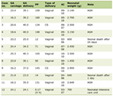
A total of 212,256 patients with CP were identified, including 11,696 with ARCP and 200,560 with NARCP. The mean age was 49.9 ± 13.6 years in the ARCP group and 58.0 ± 18.0 years in the NARCP group. Before PSM, the ARCP cohort comprised 67.1% men and 31.5% women, compared to 43.9% men and 51.8% women in the NARCP group.
Racial distribution also differed prior to matching, with White (60.5%) and Black or African American (25.4%) patients predominating in the ARCP group, compared to White (68.5%) and Black or African American (12.8%) patients in the NARCP cohort. Regarding ethnicity, 7.9% of ARCP and 7.0% of NARCP patients were Hispanic or Latino, while 71.7% and 66.9%, respectively, were not Hispanic or Latino (Table 1).
 Click to view | Table 1. Characteristics of Patients With Chronic Pancreatitis |
After PSM, both cohorts included 11,678 patients with nearly identical mean ages (49.9 ± 13.6 vs. 49.9 ± 14.2 years) and comparable sex distributions (67.1% vs. 67.6% male and 31.6% vs. 31.1% female, respectively). Racial and ethnic characteristics were similarly balanced following matching.
Comorbidities such as hypertension (41.1% vs. 41.0%), nicotine dependence (35.8% vs. 35.0%), dyslipidemia (23.6% vs. 23.2%), ischemic heart disease (8.5% vs. 8.4%), cirrhosis (6.7% vs. 5.8%), and body mass index (BMI) ≥ 30 (7.1% vs. 5.9%) showed comparable prevalence between the matched ARCP and NARCP groups. Less frequent conditions, including congenital pancreatic malformations (0.46% vs. 0.32%) and cystic fibrosis (0.09% in both), were also balanced across cohorts (Table 1).
Before PSM, patients with ARCP demonstrated significantly lower rates of adverse clinical outcomes compared with those with NARCP (Table 2). Specifically, the ARCP group had lower rates of mortality (13.0% vs. 18.6%; risk ratio (RR) 0.70, 95% CI 0.665 - 0.732), diabetes (22.9% vs. 35.9%; RR 0.64, 95% CI 0.616 - 0.659), EPI (2.0% vs. 7.2%; RR 0.27, 95% CI 0.240 - 0.310), pseudocyst formation (7.1% vs. 9.8%; RR 0.72, 95% CI 0.677 - 0.774), and pancreatic cancer (1.1% vs. 11.2%; RR 0.10, 95% CI 0.086 - 0.121). The ARCP cohort also had lower rates of celiac plexus injection (0.1% vs. 0.7%; RR 0.13, 95% CI 0.071 - 0.231) and ERCP utilization (2.3% vs. 10.6%; RR 0.22, 95% CI 0.192 -0.244) (all P < 0.001) (Table 2).
Click to view | Table 2. Comparison of Outcomes in Patients With Alcohol-Related Versus Non-Alcohol-Related Chronic Pancreatitis Before Propensity Score Matching |
After PSM, the matched cohorts each comprised 11,678 patients, and outcome differences remained statistically significant (Table 3). The ARCP group continued to show lower rates of mortality (13.0% vs. 16.2%; RR 0.80, 95% CI 0.752 - 0.852), diabetes (22.9% vs. 35.8%; RR 0.64, 95% CI 0.613 - 0.666), EPI (2.0% vs. 6.1%; RR 0.32, 95% CI 0.280 - 0.376), pseudocyst formation (1.1% vs. 8.4%; RR 0.14, 95% CI 0.113 - 0.161), and pancreatic cancer (0.1% vs. 0.8%; RR 0.12, 95% CI 0.061 - 0.214). Similarly, therapeutic intervention rates were lower in ARCP, including celiac plexus injection (2.3% vs. 10.2%; RR 0.23, 95% CI 0.197 - 0.256) and ERCP (7.1% vs. 9.7%; RR 0.73, 95% CI 0.672 - 0.798) (all P < 0.001) (Table 3).
Click to view | Table 3. Comparison of Outcomes in Patients With ARCP Versus NARCP After Propensity Score Matching |
| Discussion | ▴Top |
In this retrospective propensity-matched cohort study of a large real-world database, we observed consistently lower rates of serious clinical outcomes and the need for therapeutic interventions in patients with ARCP compared to those with NARCP. Using the TriNetX Diamond Network, we were able to analyze more than 200,000 patients with CP to identify meaningful differences in disease progression, complications, and interventions between patients who had different CP etiologies. Despite the known overall risks associated with alcohol use [8], patients with ARCP had lower rates of mortality, pancreatic cancer development, diabetes mellitus (DM), EPI, and pseudocyst formation than patients with NARCP. A possible explanation is that ARCP arises due to a modifiable risk factor, making pancreatic damage potentially partially reversible with alcohol abstinence and improved nutrition. Many of these patients are also smokers, representing another modifiable risk factor, where smoking cessation may further slow disease progression. Moreover, because ARCP generally affects younger individuals, their ability to recover is likely higher. Conversely, NARCP is potentially linked to more non-modifiable factors such as genetic predispositions, which may result in a more progressive disease trajectory.
Existing evidence indicates that pancreatic calcification and insufficiency develop more quickly in ARCP and late-onset idiopathic CP compared to early-onset idiopathic CP [9, 10]. Machicado et al found that patients with ARCP had higher rates of pain, recurrent acute pancreatitis, exocrine insufficiency, and pseudocysts or fluid collections compared to those with NARCP. Additionally, the cumulative incidence of exocrine insufficiency from birth until the onset of CP symptoms was significantly higher in ARCP patients. This discrepancy may be attributed to differences in study settings, as the study was conducted in a tertiary care center rather than a population-based cohort. Furthermore, the small sample size may have limited the generalizability of the findings. Additionally, the study data were recorded between 1976 and 2006, during which the diagnostic methods and definitions of diabetes and exocrine insufficiency evolved. Advances in diagnostic criteria, such as the adoption of HbA1c for diabetes and fecal elastase-1 for EPI, may partially explain the lower reported rates of pancreatic insufficiency in earlier cohorts [11].
In addition, a Danish nationwide study has found no significant differences in mortality rate or risk of pancreatic cancer between patients with ARCP or NARCP. However, although CP patients were matched with healthy controls in this study, ARCP and NARCP patients were not directly matched, which may have introduced confounding and contributed to the lack of significant differences between the groups [12]. On the other hand, a study by Agarwal et al (2020) found that NARCP was associated with lower rates of pancreatic cancer, despite that idiopathic senile chronic pancreatitis patients had the highest absolute 10-year risk of pancreatic cancer, likely due to older age at onset [13].
CP has a well-documented association with DM, and this clinical phenomenon is often referred to as pancreatogenic, or type 3c, diabetes. Pancreatogenic diabetes develops from endocrine and exocrine functions being affected by the progressive destruction of pancreatic tissue [14-16]. The PREDICT3c Study by the Consortium for the Study of Chronic Pancreatitis, Diabetes, and Pancreatic Cancer (CPDPC) demonstrated that NARCP was recognized as an independent correlate for the development of DM, which goes in agreement with the findings of our study [16]. Conversely, a 10-year prospective study from China that compared 404 patients with ARCP to 1,633 with idiopathic CP found that those with ARCP exhibited a significantly higher risk of developing diabetes [15]. The difference in the findings could be a result of the different patient population and race between both studies. Also in the same study, 603 out of the total number of 2,037 CP patients were followed up for less than 2 years after the diagnosis of CP; hence, patients who later developed DM could have been missed.
One possible explanation for the worse outcomes in NARCP compared to ARCP in our study is the longer latent period during which the disease remains undiagnosed. By the time of diagnosis, extensive pancreatic damage may have already occurred, leading to higher rates of complications such as EPI and pseudocyst formation [9, 17]. In contrast, ARCP is often diagnosed earlier due to acute episodes, allowing for earlier intervention and potentially less severe long-term outcomes [9]. We also observed an age difference between patients with NARCP and those with ARCP prior to PSM, with the NARCP group being, on average, about 8 years older. It is possible that the older age in the NARCP group reflects more advanced disease due to a longer disease course, which may have contributed to the higher complication rates and greater need for procedures. It remains a possibility that adjusting for age did not fully account for this effect.
Our findings emphasize the importance of etiology-based management of CP. Patients with ARCP may benefit from early intervention targeting alcohol cessation and nutritional support to mitigate disease progression and associated comorbidities. Conversely, patients with NARCP - who may have a more insidious disease course with distinct genetic or autoimmune profiles - may require more intensive surveillance for complications such as pseudocysts, pancreatic cancer, and EPI. Tailoring management strategies based on etiology could improve outcomes and reduce unnecessary healthcare utilization, particularly for procedures such as ERCP, which carry risks and costs.
This study’s large and diverse dataset enhances the generalizability of its findings, and the use of PSM helped minimize confounding. However, as with any retrospective analysis, potential inaccuracies in ICD-10 coding and reliance on electronic medical records remain inherent limitations. While residual confounding from unmeasured factors, such as variations in alcohol consumption or genetic predispositions, cannot be entirely ruled out, the study provides valuable insights into disease progression.
Conclusion
In conclusion, this study highlights significant differences in the clinical outcomes and therapeutic needs of patients with ARCP and NARCP, emphasizing the value of etiology-based treatment strategies. Lower rates of mortality, complications, and interventions in patients with alcohol-related disease than in those with non-alcohol-associated disease provide important insights into disease patterns that may influence prognosis and guide therapeutic decisions. By recognizing these differences, clinicians can optimize treatment plans, improve patient outcomes, and potentially reduce healthcare costs associated with CP. Further prospective research is warranted to expand on these findings and explore precision medicine approaches tailored to each CP subtype.
Acknowledgments
We acknowledge the West Virginia Clinical and Translational Science Institute for providing us access to the TriNetX US Collaborative Network.
Financial Disclosure
None to decare.
Conflict of Interest
None to declare.
Informed Consent
Not applicable.
Author Contributions
Conception and design of the study: KE; acquisition, analysis, or interpretation of data: KE and SE; drafting or critical revision of the manuscript: KE, MA, ME, OA, HA, AB, MM, MN, SS, and SE; final approval of the published version: KE, MA ME, OA, HA, AB, MM, MN, SS, and SE. All listed authors participated meaningfully in the study and that they have seen and approved the final manuscript.
Data Availability
Any inquiries regarding supporting data availability of this study should be directed to the corresponding author.
| References | ▴Top |
- Sellers ZM, MacIsaac D, Yu H, Dehghan M, Zhang KY, Bensen R, Wong JJ, et al. Nationwide trends in acute and chronic pancreatitis among privately insured children and non-elderly adults in the United States, 2007-2014. Gastroenterology. 2018;155(2):469-478.e461.
doi pubmed - Goosenberg E, Lappin SL. Chronic pancreatitis. In: StatPearls. Treasure Island (FL) ineligible companies. 2025.
pubmed - Pelaez-Luna M, Robles-Diaz G, Canizales-Quinteros S, Tusie-Luna MT. PRSS1 and SPINK1 mutations in idiopathic chronic and recurrent acute pancreatitis. World J Gastroenterol. 2014;20(33):11788-11792.
doi pubmed - Murillo K, Simsek O, Goltl P, Wekerle M, Hardt P, Gubergrits N, Hetjens S, et al. Impact of etiology on disease course in chronic pancreatitis. Pancreatology. 2023;23(6):582-588.
doi pubmed - Singh VK, Yadav D, Garg PK. Diagnosis and management of chronic pancreatitis: a review. JAMA. 2019;322(24):2422-2434.
doi pubmed - Lu M, Sun Y, Feldman R, Saul M, Althouse A, Arteel G, Yadav D. Coexistent alcohol-related cirrhosis and chronic pancreatitis have a comparable phenotype to either disease alone: A comparative retrospective analysis. World J Hepatol. 2023;15(3):431-440.
doi pubmed - Hines OJ, Pandol SJ. Management of chronic pancreatitis. BMJ. 2024;384:e070920.
doi pubmed - Nehring SM, Chen RJ, Freeman AM. Alcohol use disorder: screening, evaluation, and management. In: StatPearls. Treasure Island (FL) ineligible companies. 2025.
pubmed - Layer P, Yamamoto H, Kalthoff L, Clain JE, Bakken LJ, DiMagno EP. The different courses of early- and late-onset idiopathic and alcoholic chronic pancreatitis. Gastroenterology. 1994;107(5):1481-1487.
doi pubmed - Machicado JD, Yadav D. Epidemiology of recurrent acute and chronic pancreatitis: similarities and differences. Dig Dis Sci. 2017;62(7):1683-1691.
doi pubmed - Machicado JD, Chari ST, Timmons L, Tang G, Yadav D. A population-based evaluation of the natural history of chronic pancreatitis. Pancreatology. 2018;18(1):39-45.
doi pubmed - Bang UC, Benfield T, Hyldstrup L, Bendtsen F, Beck Jensen JE. Mortality, cancer, and comorbidities associated with chronic pancreatitis: a Danish nationwide matched-cohort study. Gastroenterology. 2014;146(4):989-994.
doi pubmed - Agarwal S, Sharma S, Gunjan D, Singh N, Kaushal K, Poudel S, Anand A, et al. Natural course of chronic pancreatitis and predictors of its progression. Pancreatology. 2020;20(3):347-355.
doi pubmed - Hart PA, Bellin MD, Andersen DK, Bradley D, Cruz-Monserrate Z, Forsmark CE, Goodarzi MO, et al. Type 3c (pancreatogenic) diabetes mellitus secondary to chronic pancreatitis and pancreatic cancer. Lancet Gastroenterol Hepatol. 2016;1(3):226-237.
doi pubmed - Hao L, Wang LS, Liu Y, Wang T, Guo HL, Pan J, Wang D, et al. The different course of alcoholic and idiopathic chronic pancreatitis: A long-term study of 2,037 patients. PLoS One. 2018;13(6):e0198365.
doi pubmed - Christie J, et al. Development of a clinical prediction model for diabetes in chronic pancreatitis: the PREDICT3c study. Diabetes Care. 2022;46(1):46-55.
- Howes N, Lerch MM, Greenhalf W, Stocken DD, Ellis I, Simon P, Truninger K, et al. Clinical and genetic characteristics of hereditary pancreatitis in Europe. Clin Gastroenterol Hepatol. 2004;2(3):252-261.
doi pubmed
This article is distributed under the terms of the Creative Commons Attribution Non-Commercial 4.0 International License, which permits unrestricted non-commercial use, distribution, and reproduction in any medium, provided the original work is properly cited.
Gastroenterology Research is published by Elmer Press Inc.