| Gastroenterology Research, ISSN 1918-2805 print, 1918-2813 online, Open Access |
| Article copyright, the authors; Journal compilation copyright, Gastroenterol Res and Elmer Press Inc |
| Journal website https://gr.elmerpub.com |
Original Article
Volume 19, Number 4, August 2026, pages 226-232

Comparison of Clostridioides difficile Infection Incidence in Cirrhotic Patients Receiving Secondary Spontaneous Bacterial Peritonitis Prophylaxis With Ciprofloxacin vs. Trimethoprim-Sulfamethoxazole
Allen Barbarovicha, d, Rahul Patela, Hardeep Singhb, Jake Slatonb, Nelson A. Royallc
aNortheast Georgia Medical Center, Gainesville, GA 30501, USA
bGME Research, Northeast Georgia Medical Center, Gainesville, GA 30501, USA
cDepartment of Surgery, Northeast Georgia Medical Center, Gainesville, GA 30501, USA
dCorresponding Author: Allen Barbarovich, Northeast Georgia Medical Center, Gainesville, GA 30501, USA
Manuscript submitted April 27, 2026, accepted June 19, 2026, published online August 26, 2026
Short title: Comparison of CDI in Cirrhotic Patients With SBP
doi: https://doi.org/10.14740/gr2155
| Abstract | ▴Top |
Background: Spontaneous bacterial peritonitis (SBP) remains a life-threatening complication in patients with cirrhosis and ascites. Preventing recurrence is a major clinical objective, and prophylactic antibiotic strategies are routinely implemented. Ciprofloxacin and trimethoprim-sulfamethoxazole (TMP-SMX) are two widely used alternatives to norfloxacin, especially in regions where norfloxacin is not available. However, comparative data on adverse outcomes such as Clostridioides difficile infection (CDI) and mortality remain scarce. This retrospective cohort study examined the incidence of CDI and mortality in cirrhotic patients receiving ciprofloxacin or TMP-SMX for secondary SBP prophylaxis.
Methods: A total of 6,948 patient encounters were analyzed. Ciprofloxacin was used in 75.4% (5,236) and TMP-SMX in 24.6% (1,712) of cases.
Results: CDI occurred in 0.4% (21) of ciprofloxacin recipients and 0.6% (11) of TMP-SMX recipients. Mortality rates were 0.3% and 0.6%, respectively. A generalized estimating equation (GEE) model showed no statistically significant difference in CDI risk (odds ratio (OR) = 0.623; 95% confidence interval (CI): 0.299–1.296; P = 0.206) or mortality (OR = 0.539; 95% CI: 0.158–1.844; P = 0.320). These findings suggest no statistically significant difference in adverse outcomes between the two regimens, although low event rates may have limited the statistical power of the analysis.
Conclusion: No statistically significant differences in CDI incidence or all-cause mortality were observed between prophylactic regimens. However, low event rates resulted in wide confidence intervals, limiting precision and precluding conclusions regarding comparative effectiveness or equivalence. Larger studies are warranted to validate these observations.
Keywords: Spontaneous bacterial peritonitis; Cirrhosis; Secondary prophylaxis; Clostridioides difficile infection; Ciprofloxacin; Trimethoprim-sulfamethoxazole; Retrospective cohort study
| Introduction | ▴Top |
Spontaneous bacterial peritonitis (SBP) remains one of the most clinically significant infectious complications of decompensated cirrhosis, particularly among patients with ascites, and is associated with substantial morbidity, frequent recurrence, and significant mortality despite advances in care [1]. SBP develops mechanistically via bacterial translocation from the intestinal lumen into mesenteric lymph nodes and ascitic fluid, a process facilitated by cirrhosis-related immune dysfunction, increased intestinal permeability, and alterations in gut microbiota composition [2]. Once an initial episode occurs, recurrence rates are strikingly high—reported between 40% and 70% within 1 year—prompting strong recommendations for long-term secondary antibiotic prophylaxis in major hepatology guidelines. Mortality rates for recurrent episodes approach 50%–70% without antibiotic prophylaxis [2, 3].
Historically, norfloxacin has served as the cornerstone of secondary SBP prophylaxis, supported by early randomized controlled trials demonstrating substantial reductions in recurrence rates and improved survival [4, 5]. However, norfloxacin is not available in the United States, and concerns regarding antimicrobial resistance and ecological consequences of long-term fluoroquinolone exposure have led clinicians to adopt alternative regimens [6, 7]. Ciprofloxacin, a second-generation fluoroquinolone with enhanced systemic bioavailability and broader tissue penetration, has emerged as a commonly used substitute, supported by both randomized and observational studies demonstrating efficacy in preventing SBP recurrence [8, 9]. Similarly, trimethoprim-sulfamethoxazole (TMP-SMX), a cost-effective oral antibiotic with broad-spectrum antimicrobial activity, has been shown to provide comparable prophylactic benefit in several comparative studies and is frequently utilized in settings of fluoroquinolone resistance or intolerance [10].
A growing body of literature has evaluated the comparative effectiveness of antibiotic regimens for SBP prophylaxis. Network meta-analyses and systematic reviews suggest that fluoroquinolones and TMP-SMX offer similar efficacy in reducing SBP recurrence and may confer comparable survival benefits [1, 6, 11]. However, these studies primarily focus on the prevention of SBP and overall mortality, with relatively limited attention to adverse infectious consequences of long-term antibiotic exposure. This gap is clinically relevant, as cirrhotic patients represent a uniquely vulnerable population with immune dysregulation, frequent healthcare exposure, and repeated antibiotic use, all of which increase susceptibility to secondary infections [2, 12].
Among these secondary complications, Clostridioides difficile infection (CDI) has emerged as a major international healthcare concern. CDI is a leading cause of healthcare-associated diarrhea and is associated with significant morbidity, mortality, and healthcare costs [13]. CDI pathogenesis is closely linked to disruption of the normal gut microbiome, typically following exposure to antibiotics that alter microbial diversity and facilitate colonization by toxigenic C. difficile strains [2]. Certain antibiotic classes—particularly fluoroquinolones, clindamycin, and broad-spectrum cephalosporins—have been consistently associated with higher CDI risk in both inpatient and community settings [14].
Fluoroquinolones are of particular concern due to their profound impact on intestinal microbiota and their association with hypervirulent C. difficile strains, such as the NAP1/BI/027 lineage [2]. Epidemiologic studies and meta-analyses have demonstrated a strong association between fluoroquinolone exposure and CDI, with ORs significantly higher than many other antibiotic classes [14]. In cirrhotic populations, this risk may be further amplified due to baseline dysbiosis, impaired immune function, and frequent hospitalizations [2]. Moreover, cirrhosis itself has been identified as an independent risk factor for CDI and is associated with worse outcomes, including increased mortality, longer hospital stays, and higher rates of recurrence [8].
In contrast, TMP-SMX has a less clearly defined association with CDI. While it also alters gut flora, its impact appears to be less pronounced than that of fluoroquinolones, and epidemiologic data linking TMP-SMX to CDI are inconsistent [2]. Some observational studies suggest a modest increase in risk, whereas others have not demonstrated a significant association [2]. This relative uncertainty, combined with its comparable efficacy in SBP prophylaxis, has led to increasing interest in TMP-SMX as a potentially safer and more economically prudent alternative in terms of CDI risk.
Despite the widespread use of ciprofloxacin and TMP-SMX for secondary SBP prophylaxis, there remains a paucity of data directly comparing their safety profiles, particularly with respect to CDI incidence. Existing studies have largely focused on SBP recurrence and survival outcomes, with limited attention to antibiotic-associated complications [1, 6, 11]. Additionally, recent data suggest that long-term antibiotic prophylaxis in cirrhosis may alter the spectrum of infections, increasing the incidence of non-SBP infections and promoting antimicrobial resistance [12, 15]. These findings highlight the need for a more nuanced evaluation of prophylactic strategies that balance efficacy with downstream infectious risks.
The clinical relevance of CDI in cirrhotic patients cannot be overstated. CDI in this population is associated with increased rates of hepatic decompensation, acute kidney injury, and mortality [8]. Furthermore, management of CDI in cirrhosis is often complicated by altered pharmacokinetics, co-existing organ dysfunction, and competing infectious risks [13]. Given these challenges, minimizing CDI risk through judicious antibiotic selection represents an important component of comprehensive cirrhosis care.
In addition to CDI risk, antibiotic selection may also influence broader clinical outcomes, including all-cause mortality. While mortality in cirrhotic patients is multifactorial and driven by the severity of underlying liver disease, infections remain a major contributor to decompensation and death [2]. The choice of prophylactic antibiotic may therefore have indirect effects on survival through its impact on infection patterns, antimicrobial resistance, and microbiome integrity [1, 12].
Although prior studies have demonstrated similar efficacy of ciprofloxacin and TMP-SMX in preventing SBP recurrence, direct comparisons of their impact on CDI incidence and overall mortality are lacking [10]. This represents a critical knowledge gap, particularly in the United States where norfloxacin is not routinely available and clinicians must choose between alternative agents. Given the increasing recognition of CDI as a significant complication in cirrhosis and the differential risk profiles of antibiotic classes, comparative data are needed to inform evidence-based decision-making.
The purpose of this study is to retrospectively evaluate the incidence of CDI and all-cause mortality among cirrhotic patients receiving secondary SBP prophylaxis with ciprofloxacin or TMP-SMX. We hypothesized that there is a significantly increased risk for CDI in cirrhotic patients utilizing ciprofloxacin compared to TMP-SMX for SBP prophylaxis. We also hypothesized that patients utilizing ciprofloxacin would have a significantly elevated mortality compared to those using TMP-SMX.
| Methods | ▴Top |
This study employed a retrospective cohort using existing electronic health record (EHR) data from the COSMOS database, a de-identified database created in collaboration with a community of Epic health systems representing more than 300 million patient records from over 1,762 hospitals and 40,700 clinics from January 1, 2018 to May 31, 2024. Adult patients (≥ 18 years) with a documented diagnosis of cirrhosis ascites (ICD-10 K70.31) and a history of SBP (ICD-10 K65.2) who received ciprofloxacin (500 mg daily) or TMP-SMX (800/160 mg daily) for secondary prophylaxis were included. Patients were identified through ICD-10 diagnostic codes associated with cirrhosis and SBP. Medication exposure was determined using prescriptions. Patients were excluded if they had evidence of concurrent prophylactic use of both agents (medication use less than 30 days), prior diagnosis of CDI (ICD-10 A04.72, A04.71) within 6 months of the index prescription, active malignancy requiring chemotherapy, or incomplete demographic or medication data.
The index date was defined as the date of initiation of ciprofloxacin or TMP-SMX for secondary SBP prophylaxis. Follow-up began on the index date and continued until discontinuation of prophylaxis, occurrence of the outcome of interest, death, loss to follow-up, or the end of the study period whichever occurred first.
CDI was defined as laboratory-confirmed Clostridioides difficile infection occurring during follow-up. Mortality was defined as all-cause in-hospital mortality occurring during the observation period.
Outcomes were analyzed at the encounter level because patients could contribute multiple eligible prophylaxis episodes. Generalized estimating equations (GEEs) clustered by patient identifier accounted for correlation among repeated observations.
A total of 6,948 eligible encounters contributed by 4,295 unique patients were included in the analysis. Patients contributed a median of one encounter (interquartile range (IQR) 1–2), and 32.9% contributed more than one encounter. Because observations were not independent, analyses were conducted at the encounter level using GEEs clustered by unique patient identifier.
Demographic variables (age, sex, race, and ethnicity), clinical characteristics, and medication duration were extracted. The primary outcome was the occurrence of CDI after initiating SBP prophylaxis. CDI was confirmed through laboratory identification of C. difficile toxin or polymerase chain reaction (PCR). The secondary outcome was all-cause in-hospital mortality during the prophylaxis period.
A GEE with a logit link function was employed to model binary outcomes (CDI and mortality) under the assumption that the outcomes follow a binomial distribution. The GEE accounted for repeated patient encounters by clustering on a unique patient identifier and used an exchangeable correlation structure to assume equal correlation across repeated observations. ORs with 95% CIs and P-values were reported. Statistical significance was defined as P < 0.05. All analyses were conducted using R6 (version 4.4.1) in the open-source RStudio IDE17 (Posit Software, PBC, Boston, MA, USA) with the following packages: tidyverse18, gt19, gtsummary20, janitor21, and geepack22. The study was deemed exempt by the Brenau University Institutional Review Board (2200752-1). This study was conducted in compliance with the ethical standards of the responsible institution on human subjects as well as with the Helsinki Declaration.
| Results | ▴Top |
A total of 6,948 eligible encounters from 4,295 unique patients met the inclusion criteria and were included in the analysis. Patients contributed a median of one encounter (IQR 1–2), with 32.9% contributing more than one encounter. Among all encounters, 5,236 (75.4%) received ciprofloxacin and 1,712 (24.6%) received TMP-SMX for secondary SBP prophylaxis. The median age was 54 years (IQR 45–61), and 30.1% of patients were female. Racial distribution was predominantly White (78.6%), followed by Black or African American (9.4%), American Indian/Alaska Native (3.9%), Asian (1.6%), etc. Hispanic or Latino(a) ethnicity was reported in 19.1% of encounters (Table 1). The overall incidence of CDI was 0.5% (32 cases), and all-cause mortality occurred in 0.3% (20 cases).
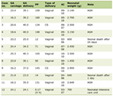 Click to view | Table 1. Baseline Characteristics of the Study Population |
When stratified by the medication group, the ciprofloxacin cohort had a CDI rate of 0.4% (21 cases), while the TMP-SMX cohort had a slightly higher rate at 0.6% (11 cases). Mortality was reported in 17 ciprofloxacin patients (0.3%) and fewer than 11 TMP-SMX patients. Median prophylaxis duration was similar: 77 days (IQR 36–167) for ciprofloxacin and 73 days (IQR 37–160) for TMP-SMX (Table 2).
Click to view | Table 2. Group Comparison by Medication |
The GEE model showed no statistically significant difference in the risk of CDI between the two groups. The OR for CDI in patients receiving ciprofloxacin compared to TMP-SMX was 0.623 (95% CI: 0.299–1.296; P = 0.206). Similarly, there was no statistically significant difference in mortality (OR = 0.539; 95% CI: 0.158–1.844; P = 0.320). These results are summarized in Tables 3 and 4.
Click to view | Table 3. GEE Model: CDI Risk |
Click to view | Table 4. GEE Model: Mortality Risk |
Although point estimates suggested a slightly lower risk of adverse outcomes in the ciprofloxacin group, the CIs were wide, and the findings were not statistically significant, likely due to the low event rates for both outcomes.
| Discussion | ▴Top |
SBP is a life-threatening complication of cirrhosis characterized by high recurrence and mortality rates, necessitating long-term secondary prophylaxis after an index episode or in select patients with depressed ascites albumin (< 1.5 g/dL) [16]. In this retrospective cohort study of 6,948 cirrhotic patient encounters, we found no statistically significant difference in the incidence of CDI or all-cause mortality between patients receiving ciprofloxacin and those receiving TMP-SMX for secondary SBP prophylaxis. Although point estimates suggested a lower CDI rate with ciprofloxacin (0.4% vs. 0.6%), this did not reach statistical significance (OR = 0.623; 95% CI: 0.299–1.296; P = 0.206). Mortality similarly did not differ significantly (OR = 0.539; 95% CI: 0.158–1.844; P = 0.320).
Important sources of residual confounding could not be fully assessed because detailed clinical variables were unavailable or incompletely captured within the de-identified database. These include liver disease severity measures such as model for end-stage liver disease (MELD) or Child-Pugh scores, renal dysfunction, proton pump inhibitor exposure, prior antibiotic use, hospitalization frequency, use of rifaximin or lactulose, and other comorbid conditions associated with CDI risk. Consequently, the observed associations should be interpreted as hypothesis-generating rather than causal.
The comparison between ciprofloxacin, a fluoroquinolone, and TMP-SMX is clinically relevant due to evolving prescribing patterns and unavailability of norfloxacin in the United States [17]. Fluoroquinolones have long been a mainstay for SBP prophylaxis due to their activity against Gram-negative enteric organisms and favorable pharmacokinetics [4]. However, concerns regarding antimicrobial resistance and CDI risk have prompted increased use of TMP-SMX as an alternative [18]. Fluoroquinolones are known to disrupt intestinal microbiota and have been associated with increased CDI risk in multiple populations [19, 20], whereas TMP-SMX may exert a comparatively less pronounced microbiome dysbiosis [21]. Therefore, understanding whether these theoretical risks translate into clinically meaningful differences in cirrhotic populations is essential.
Prior randomized controlled trials and observational studies have demonstrated comparable efficacy between fluoroquinolones and TMP-SMX for SBP prophylaxis [22, 23]. Studies comparing TMP-SMX with norfloxacin have shown similar rates of SBP recurrence and survival [22], while weekly ciprofloxacin has been shown to be non-inferior to daily norfloxacin in preventing SBP [24]. Meta-analyses similarly suggest no clear superiority of one regimen over another for SBP prevention [25]. With respect to CDI, fluoroquinolones have consistently been identified as high-risk antibiotics due to their association with hypervirulent strains and microbiome disruption [20, 26]. Reported CDI incidence in cirrhotic populations receiving prophylaxis varies, typically ranging from 1% to 5% depending on study design and patient characteristics [27, 28]. Notably, the CDI incidence observed in our cohort (0.5%) is lower than previously reported ranges. This discrepancy may reflect differences in antimicrobial stewardship practices, diagnostic criteria, or patient selection. Importantly, despite established associations between fluoroquinolones and CDI, our findings did not demonstrate a statistically significant increase in CDI risk with ciprofloxacin relative to TMP-SMX.
The observed trend toward lower CDI and mortality with ciprofloxacin, although not statistically significant, may still represent a clinically relevant difference. The wide confidence intervals observed in our analysis reflect limited precision due to low event rates (32 CDI events and 20 deaths), increasing the likelihood of type II error. From a clinical standpoint, even small differences in CDI incidence may be meaningful in cirrhotic patients, who are particularly vulnerable to infectious complications and poor outcomes [29]. Therefore, clinicians should interpret these findings cautiously, recognizing that underpowered studies may fail to detect important differences.
Strengths and limitations
Strengths of this study include its large sample size, multicenter design, and use of GEE modeling to account for repeated encounters. The use of real-world data enhances generalizability.
Limitations include the retrospective design, potential residual confounding, and reliance on administrative coding and laboratory data. Two major challenges include identifying whether the antibiotic was prescribed specifically for prophylaxis, which was targeted by criteria specifying the minimum duration of antibiotic use for 30 days, as well as compliance that is difficult to quantify with the available data. Additionally, low event rates limited statistical power and precision. Data on the duration of prophylaxis, adherence, and microbiologic resistance patterns were not fully captured. This study focused specifically on adverse outcomes associated with secondary SBP prophylaxis, including CDI and mortality, and did not evaluate SBP recurrence. Consequently, these findings should not be interpreted as evidence supporting the comparative efficacy of ciprofloxacin versus TMP-SMX for the prevention of recurrent SBP.
A prospective randomized trial comparing these therapies is likely to be cost-prohibitive; therefore, it is re-assuring that with both regimens the CDI incidence is rare relative to population incidence. Large, pooled analyses or registries will be useful to increase event rates and improve estimate precision. Microbiome studies evaluating differential effects of these agents on gut flora in cirrhotic patients should also guide future research into optimizing the clinical management of this patient cohort. Risk-stratified analyses in patients with prior CDI or advanced liver disease and integration of resistance data to guide optimal prophylactic strategies in evolving antimicrobial landscapes should be considered.
Conclusions
In this large retrospective cohort, ciprofloxacin and TMP-SMX demonstrated similar rates of CDI and all-cause mortality when used for secondary SBP prophylaxis. While no significant differences were identified, low event rates and potential confounding variables limit definitive conclusions. These findings should be considered hypothesis-generating and require confirmation in larger studies with greater statistical power.
Acknowledgments
None to declare.
Financial Disclosure
This research received no specific grant from any funding agency in the public, commercial, or not-for-profit sectors.
Conflict of Interest
The authors declare that there is no relevant conflict of interest regarding the publication of this article.
Informed Consent
Not applicable.
Author Contributions
NAR and RP developed the original study concept and design. AB and RP refined the study design, scope, and data validation methodology. AB performed the data analysis, interpreted the findings, drafted the manuscript, and led manuscript revisions. HS coordinated institutional review board activities and study administration. JS provided statistical expertise and guidance for the data analysis. RP and NAR supervised the study and critically reviewed the manuscript. All authors contributed to manuscript revision, approved the final version, and agree to be accountable for all aspects of the work.
Data Availability
The data supporting the findings of this study are available from the corresponding author upon reasonable request.
AI Use Declaration
During the preparation of this work, the authors used large language models to assist with translations, improve language, and readability. After using this tool, the authors reviewed and edited the content as needed and take full responsibility for the content of the publication.
Abbreviations
CDI: Clostridioides difficile infection; CI: confidence interval; EHR: electronic health record; GEE: generalized estimating equation; IQR: interquartile range; MELD: model for end-stage liver disease; OR: odds ratio; PCR: polymerase chain reaction; SBP: spontaneous bacterial peritonitis; TMP-SMX: trimethoprim-sulfamethoxazole
| References | ▴Top |
- Facciorusso A, Papagiouvanni I, Cela M, Buccino VR, Sacco R. Comparative efficacy of long-term antibiotic treatments in the primary prophylaxis of spontaneous bacterial peritonitis. Liver Int. 2019;39(8):1448-1458.
doi pubmed - Dever JB, Sheikh MY. Review article: spontaneous bacterial peritonitis—bacteriology, diagnosis, treatment, risk factors and prevention. Aliment Pharmacol Ther. 2015;41(11):1116-1131.
doi pubmed - Rimola A, Garcia-Tsao G, Navasa M, Piddock LJ, Planas R, Bernard B, Inadomi JM. Diagnosis, treatment and prophylaxis of spontaneous bacterial peritonitis: a consensus document. International Ascites Club. J Hepatol. 2000;32(1):142-153.
doi pubmed - Gines P, Rimola A, Planas R, Vargas V, Marco F, Almela M, Forne M, et al. Norfloxacin prevents spontaneous bacterial peritonitis recurrence in cirrhosis: results of a double-blind, placebo-controlled trial. Hepatology. 1990;12(4 Pt 1):716-724.
doi pubmed - Grange JD, Roulot D, Pelletier G, Pariente EA, Denis J, Ink O, Blanc P, et al. Norfloxacin primary prophylaxis of bacterial infections in cirrhotic patients with ascites: a double-blind randomized trial. J Hepatol. 1998;29(3):430-436.
doi pubmed - Pimentel R, Gregorio C, Figueiredo P. Antibiotic prophylaxis for prevention of spontaneous bacterial peritonitis in liver cirrhosis: systematic review. Acta Gastroenterol Belg. 2021;84(2):333-342.
doi pubmed - Biggins SW, Angeli P, Garcia-Tsao G, Gines P, Ling SC, Nadim MK, Wong F, et al. Diagnosis, evaluation, and management of ascites, spontaneous bacterial peritonitis and hepatorenal syndrome: 2021 practice guidance by the American Association for the Study of Liver Diseases. Hepatology. 2021;74(2):1014-1048.
doi pubmed - Rolachon A, Cordier L, Bacq Y, Nousbaum JB, Franza A, Paris JC, Fratte S, et al. Ciprofloxacin and long-term prevention of spontaneous bacterial peritonitis: results of a prospective controlled trial. Hepatology. 1995;22(4 Pt 1):1171-1174.
doi pubmed - Yim HJ, Suh SJ, Jung YK, Yim SY, Seo YS, Lee YR, Park SY, et al. Daily norfloxacin vs. weekly ciprofloxacin to prevent spontaneous bacterial peritonitis: a randomized controlled trial. Am J Gastroenterol. 2018;113(8):1167-1176.
doi pubmed - Lontos S, Gow PJ, Vaughan RB, Angus PW. Norfloxacin and trimethoprim-sulfamethoxazole therapy have similar efficacy in prevention of spontaneous bacterial peritonitis. J Gastroenterol Hepatol. 2008;23(2):252-255.
doi pubmed - Faust N, Yamada A, Haider H, Komaki Y, Komaki F, Micic D, Sakuraba A. Systemic review and network meta-analysis: Prophylactic antibiotic therapy for spontaneous bacterial peritonitis. World J Hepatol. 2020;12(5):239-252.
doi pubmed - Silvey S, Patel N, O'Leary JG, Jakab SS, Patton H, Rogal S, Markley JD, et al. Secondary spontaneous bacterial peritonitis prophylaxis is associated with a higher rate of infections other than spontaneous bacterial peritonitis in 2 US-based national cirrhosis cohorts. Clin Transl Gastroenterol. 2025;16(5):e00837.
doi pubmed - McDonald LC, Gerding DN, Johnson S, Bakken JS, Carroll KC, Coffin SE, Dubberke ER, et al. Clinical practice guidelines for clostridium difficile infection in adults and children: 2017 update by the Infectious Diseases Society of America (IDSA) and Society for Healthcare Epidemiology of America (SHEA). Clin Infect Dis. 2018;66(7):e1-e48.
doi pubmed - Deshpande A, Pasupuleti V, Thota P, Pant C, Rolston DD, Sferra TJ, Hernandez AV, et al. Community-associated Clostridium difficile infection and antibiotics: a meta-analysis. J Antimicrob Chemother. 2013;68(9):1951-1961.
doi pubmed - Mucke MM, Mucke VT, Graf C, Schwarzkopf KM, Ferstl PG, Fernandez J, Zeuzem S, et al. Efficacy of norfloxacin prophylaxis to prevent spontaneous bacterial peritonitis: a systematic review and meta-analysis. Clin Transl Gastroenterol. 2020;11(8):e00223.
doi pubmed - Tariq R, Singh S, Gupta A, Pardi DS, Khanna S. Association of gastric acid suppression with recurrent clostridium difficile infection: a systematic review and meta-analysis. JAMA Intern Med. 2017;177(6):784-791.
doi pubmed - European Association for the Study of the Liver. EASL Clinical Practice Guidelines for the management of patients with decompensated cirrhosis. J Hepatol. 2018;69(2):406-460.
doi pubmed - Brown KA, Khanafer N, Daneman N, Fisman DN. Meta-analysis of antibiotics and the risk of community-associated Clostridium difficile infection. Antimicrob Agents Chemother. 2013;57(5):2326-2332.
doi pubmed - Stevens V, Dumyati G, Fine LS, Fisher SG, van Wijngaarden E. Cumulative antibiotic exposures over time and the risk of Clostridium difficile infection. Clin Infect Dis. 2011;53(1):42-48.
doi pubmed - Owens RC, Jr., Donskey CJ, Gaynes RP, Loo VG, Muto CA. Antimicrobial-associated risk factors for Clostridium difficile infection. Clin Infect Dis. 2008;46(Suppl 1):S19-31.
doi pubmed - Singh N, Gayowski T, Yu VL, Wagener MM. Trimethoprim-sulfamethoxazole for the prevention of spontaneous bacterial peritonitis in cirrhosis: a randomized trial. Ann Intern Med. 1995;122(8):595-598.
doi pubmed - Saab S, Hernandez JC, Chi AC, Tong MJ. Oral antibiotic prophylaxis reduces spontaneous bacterial peritonitis occurrence and improves short-term survival in cirrhosis: a meta-analysis. Am J Gastroenterol. 2009;104(4):993-1001; quiz 1002.
doi pubmed - Terg R, Fassio E, Guevara M, Cartier M, Longo C, Lucero R, Landeira C, et al. Ciprofloxacin in primary prophylaxis of spontaneous bacterial peritonitis: a randomized, placebo-controlled study. J Hepatol. 2008;48(5):774-779.
doi pubmed - Slimings C, Riley TV. Antibiotics and hospital-acquired Clostridium difficile infection: update of systematic review and meta-analysis. J Antimicrob Chemother. 2014;69(4):881-891.
doi pubmed - Bajaj JS, Ananthakrishnan AN, Hafeezullah M, Zadvornova Y, Dye A, McGinley EL, Saeian K, et al. Clostridium difficile is associated with poor outcomes in patients with cirrhosis: A national and tertiary center perspective. Am J Gastroenterol. 2010;105(1):106-113.
doi pubmed - Liu Y, Chen M. Clostridioides difficile infection in liver cirrhosis: a concise review. Can J Gastroenterol Hepatol. 2022;2022:4209442.
doi pubmed - Fernandez J, Prado V, Trebicka J, Amoros A, Gustot T, Wiest R, Deulofeu C, et al. Multidrug-resistant bacterial infections in patients with decompensated cirrhosis and with acute-on-chronic liver failure in Europe. J Hepatol. 2019;70(3):398-411.
doi pubmed - Piano S, Singh V, Caraceni P, Maiwall R, Alessandria C, Fernandez J, Soares EC, et al. Epidemiology and effects of bacterial infections in patients with cirrhosis worldwide. Gastroenterology. 2019;156(5):1368-1380.e1310.
doi pubmed - Ekpanyapong S, Reddy KR. Infections in cirrhosis. curr treat options gastroenterol. 2019;17(2):254-270.
doi pubmed
This article is distributed under the terms of the Creative Commons Attribution 4.0 International License (CC BY 4.0), which permits unrestricted use, distribution, and reproduction in any medium, including commercial use, provided the original work is properly cited.
Gastroenterology Research is published by Elmer Press Inc.