

Trends and Impact of Clostridioides difficile Infection on Thirty-Day Readmissions and Outcomes Following Coronary Artery Bypass Grafting: A Seven-Year National Analysis
DOI:
https://doi.org/10.14740/gr2099Keywords:
Clostridioides, Coronary artery bypass, Mortality, Patient readmission, SepsisAbstract
Background: Clostridioides difficile infection (CDI) is a common hospital-acquired infection, particularly seen among patients who undergo coronary artery bypass grafting (CABG). This study aimed to assess the trends and impact of CDI on 30-day readmissions and outcomes in CABG patients.
Methods: This retrospective analysis used the Nationwide Readmissions Database from 2016 to 2022. Patients undergoing CABG were identified using International Classification of Diseases, 10th Revision (ICD-10) procedure codes. Patients with CDI were identified using ICD-10 diagnosis codes. Multiple logistic regression was performed to adjust for confounding factors. Trend analysis was done.
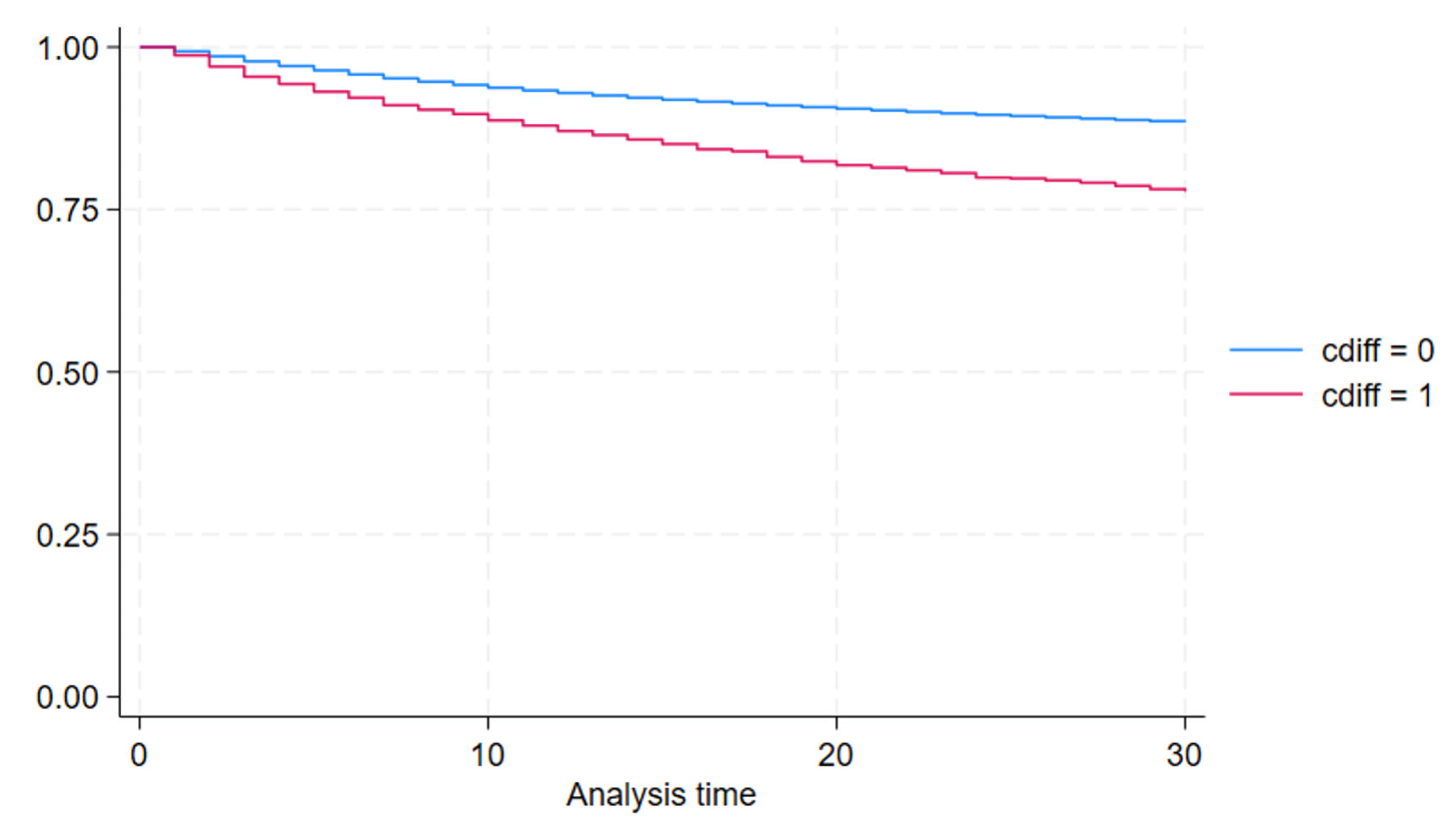
Results: A total of 1,279,605 adult patients undergoing CABG were included, of whom 5,567 (0.44%) had concurrent CDI. Patients with CDI were older (mean age 68.6 vs. 66.3 years, P < 0.001) and had higher medical comorbidity (Charlson Comorbidity Index ≥ 3: 68.4% vs. 45.35%, P < 0.001). They also had significantly higher rates of 30-day readmissions (12.63% vs. 7.35%, adjusted odds ratio (aOR), 1.42), in-hospital mortality (11.64% vs. 2.58%, aOR, 2.72), and complications including cardiac arrest (7.56% vs. 2.04%, aOR, 2.55), cardiogenic shock (26.89% vs. 9.50%, aOR, 2.33), sepsis/septic shock (26.05% vs. 2.51%, aOR, 8.28), all with P < 0.001. Over the study period, there was a decline in CABG admissions. CDI incidence among CABG patients also declined with a parallel decline in 30-day readmissions.
Conclusions: Patients who underwent CABG with concurrent CDI experienced greater readmission rates, mortality, periprocedural adverse events, and resource utilization. Further studies need to be done for possible interventions to reduce these outcomes.
Published
Issue
Section
License
Copyright (c) 2026 The authors

This work is licensed under a Creative Commons Attribution 4.0 International License.