

Use of a Nasopharyngeal Airway During Endoscopic Submucosal Dissection Under Intravenous Sedation in a Patient Subsequently Diagnosed With Severe Obstructive Sleep Apnea
DOI:
https://doi.org/10.14740/gr2197Keywords:
Hypoxemia, Airway management, Oxygen saturation, Gastric cancerAbstract
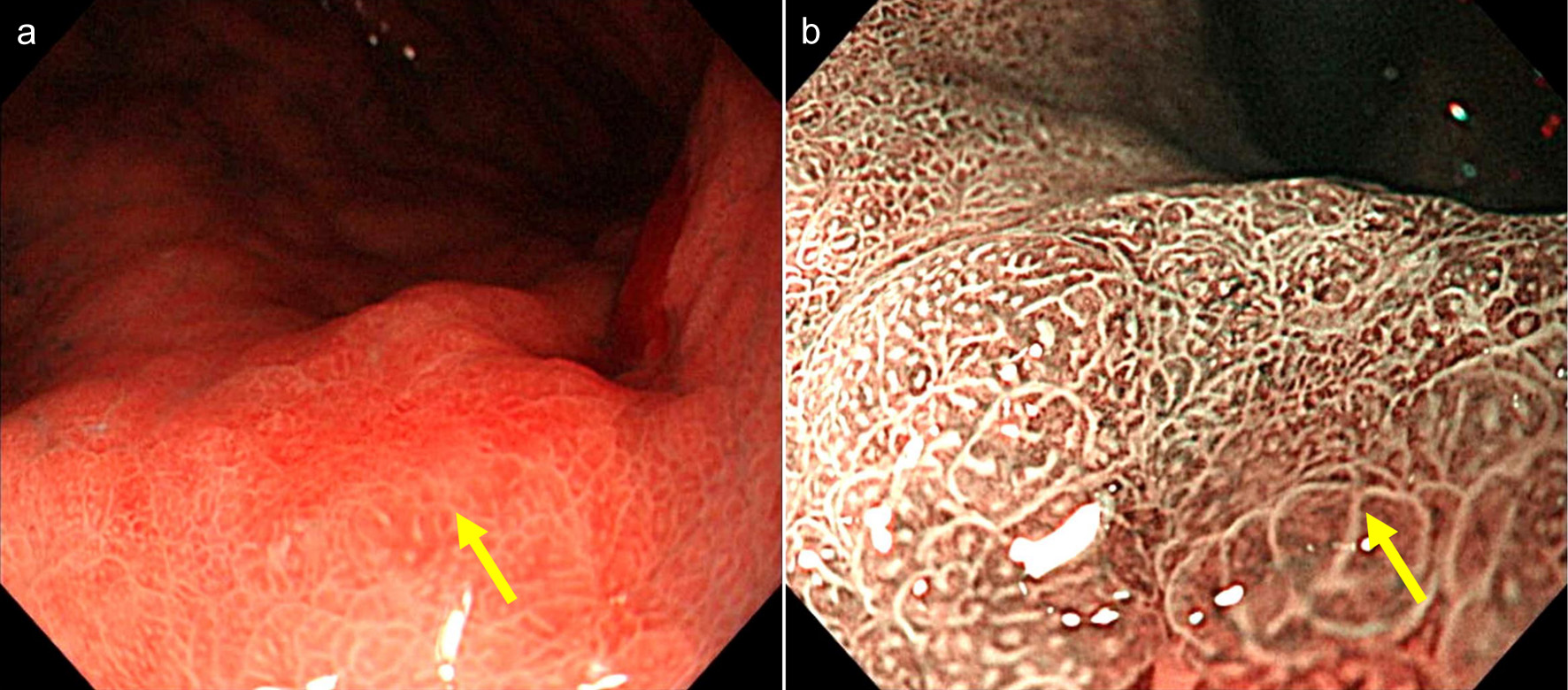
Endoscopic submucosal dissection (ESD) is the standard treatment for early gastric cancer but often requires prolonged intravenous sedation. Patients with obstructive sleep apnea (OSA) may be at increased risk of sedation-related respiratory complications, and evidence regarding optimal airway management during endoscopic procedures remains limited. A 78-year-old Japanese man with early gastric cancer experienced severe hypoxemia during previous endoscopic examinations under intravenous sedation, leading to ESD cancellation. He was referred to our hospital for endoscopic treatment under general anesthesia. During the preprocedural assessment at our hospital, OSA was suspected based on repeated episodes of marked hypoxemia during previous endoscopic procedures and a history of habitual snoring reported by the patient and his family. OSA had not been suspected or investigated at the referring hospital. After consultation with the anesthesiology team, ESD was performed under intravenous sedation with midazolam and pethidine hydrochloride, using a 7.0-mm nasopharyngeal airway (NPA) inserted through the right nostril. Supplemental oxygen was administered at 5 L/min via nasal cannula. The lowest recorded SpO2 during ESD was 98%, and no clinically apparent apnea or airway obstruction was observed. However, respiratory rate was not recorded and capnography was not available. ESD was successfully completed without respiratory complications. Histopathological examination revealed a well-differentiated tubular adenocarcinoma confined to the mucosa with negative resection margins. Post-endoscopic polysomnography confirmed severe OSA, with an apnea–hypopnea index of 42.4 events/h and a minimum SpO2 of 54%. Continuous positive airway pressure therapy was initiated after discharge. This case describes the use of an NPA as an adjunct to airway management during ESD under intravenous sedation in a patient with subsequently confirmed severe OSA. However, the lack of objective ventilation monitoring and the limitations inherent in a single case preclude conclusions regarding the safety or effectiveness of this approach.
Published
Issue
Section
License
Copyright (c) 2026 The authors

This work is licensed under a Creative Commons Attribution 4.0 International License.