

Burden and Impact of Pneumococcal Pneumonia on Outcomes in Patients With Cirrhosis: A Nationwide Analysis
DOI:
https://doi.org/10.14740/gr2139Keywords:
Cirrhosis, Pneumococcal pneumonia, Streptococcus pneumoniae, National Inpatient Sample, In-hospital mortality, Healthcare burdenAbstract
Background: Patients with cirrhosis have impaired immunity, predisposing them to severe infections. Streptococcus pneumoniae, a leading cause of community-acquired pneumonia, may worsen outcomes in this vulnerable patient population. This study aims to evaluate the burden and impact of pneumococcal pneumonia among patients with cirrhosis.
Methods: The National Inpatient Sample database (2016–2022) was used to identify adult hospitalizations with cirrhosis. Patients were stratified by the presence or absence of pneumococcal pneumonia. Data were obtained on demographics, liver disease etiology and decompensations, comorbidities, and clinical outcomes. A multivariate logistic/linear regression analysis was used to assess the impact of pneumococcal pneumonia on clinical outcomes.
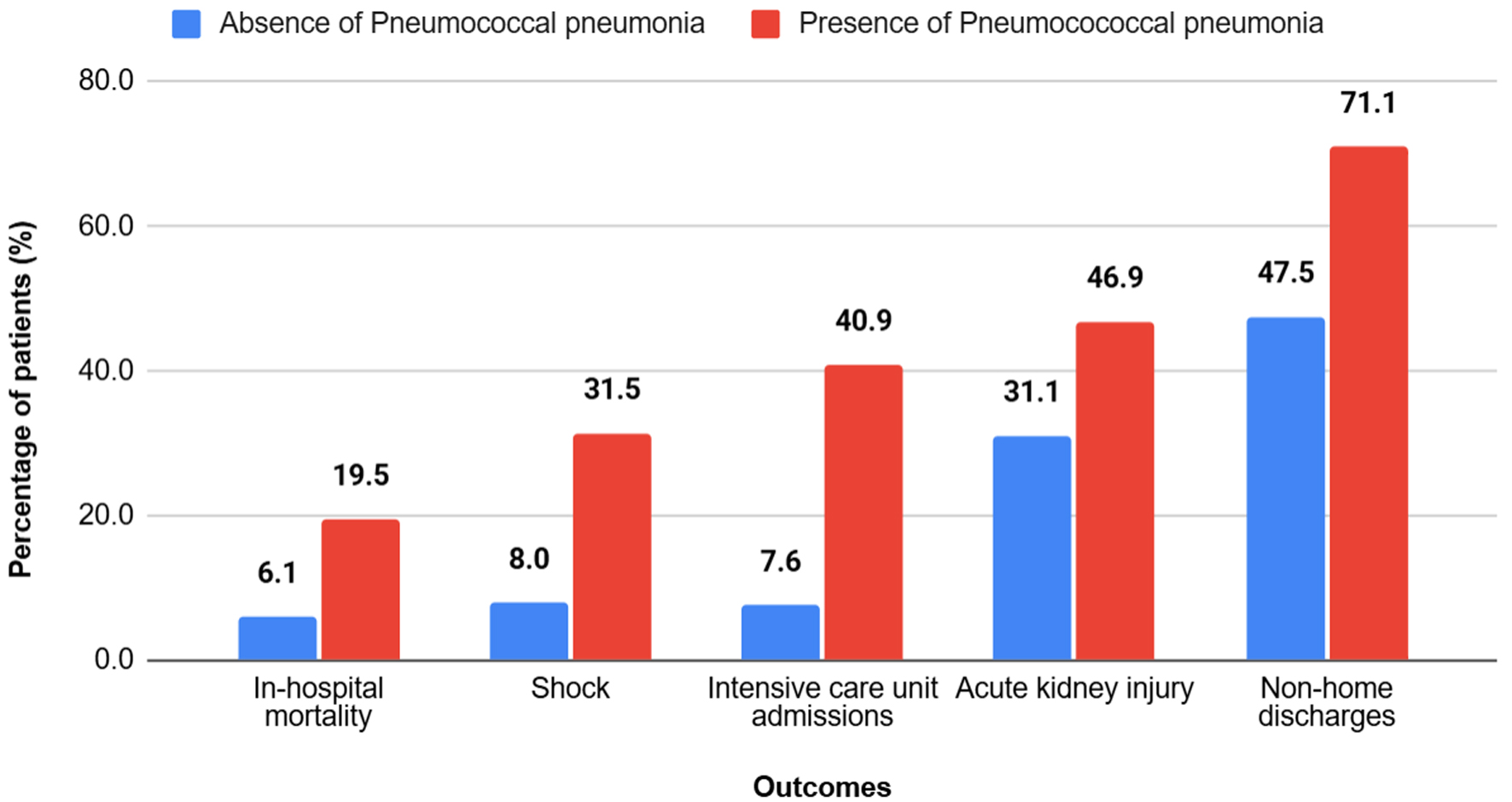
Results: Among 4,716,863 patients with cirrhosis, 90,680 (1.92%) developed pneumococcal pneumonia. Patients with pneumococcal pneumonia had higher odds of in-hospital mortality (adjusted odds ratio (aOR): 2.95, 95% confidence interval (CI): 2.84–3.09), acute kidney injury (aOR: 1.85, 95% CI: 1.79–1.91), shock (aOR: 4.75, 95% CI: 4.58–4.93), intensive care unit admissions (aOR: 7.55, 95% CI: 7.28–7.83), non-home discharges (aOR: 2.29, 95% CI: 2.21–2.38), longer length of stay (adjusted coefficient: 6.61 days, 95% CI: 6.38–6.83), and higher hospitalization charges (adjusted coefficient: $112,230.5, 95% CI: $106,802.3–$117,658.7) (all P < 0.001).
Conclusion: We noted an increased in-hospital mortality and higher resource utilization among patients with pneumococcal pneumonia. These findings underscore the importance of targeted preventive strategies, including pneumococcal vaccination and early infection recognition, to reduce morbidity and healthcare burden in this vulnerable population.
Published
Issue
Section
License
Copyright (c) 2026 The authors

This work is licensed under a Creative Commons Attribution 4.0 International License.