


Identifying Prognostic Factors Implicated in Chronic Functional Abdominal Pain in Children: A Systematic Review
DOI:
https://doi.org/10.14740/gr2141Keywords:
Pediatric functional abdominal pain, Functional gastrointestinal disorder, Prognostic indicators, Psychosocial factorsAbstract
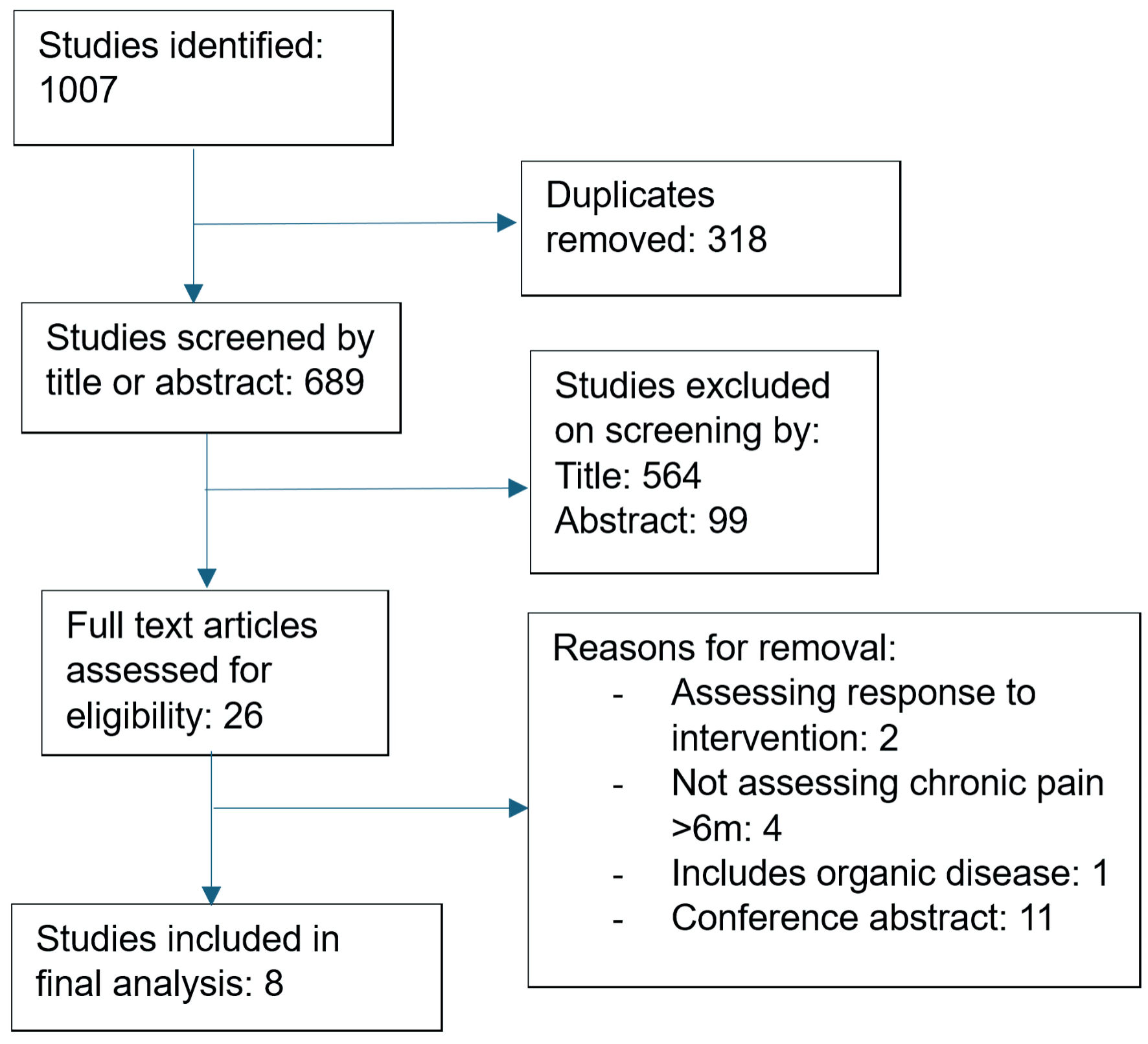
Pediatric functional abdominal pain can place a significant burden on children and their families. Recent guidance has identified the benefits of hypnotherapy and cognitive behavioral therapy as management options; however, pharmacological approaches have only low certainty evidence. The aim of this study was to identify prognostic factors of chronic pain and risk of developing additional functional gastrointestinal disorders, among children with functional abdominal pain. Potential therapies could be targeted towards a population of children identified at higher risk of developing chronic abdominal pain. Relevant studies were identified through a search undertaken on four databases: Ovid MEDLINE, Embase, APA PsychInfo, and the Cochrane library, using a combination of MeSH terms and free text. Two independent reviewers screened results of this search utilizing set eligibility criteria, summarizing the characteristics of each included study according to a standardized table and assessing for risk of bias. Eight prospective cohort studies were included in the final review, with a range of duration of follow-up between 6 months to 15 years. Later age of onset of pain appeared to predict chronicity of pain, however not the development of an additional functional gastrointestinal disorder. The use of pain profiles, combining gastrointestinal and non-gastrointestinal symptoms with intensity of pain, appeared to be particularly useful for predicting later development of a functional gastrointestinal disorder. Comparison between the studies was limited due to the heterogeneity of the patient profiles, prognostic factors and outcomes that were assessed. Future research should be directed to larger, standardized studies to assess the wide range of prognostic factors which may play a significant role in chronic functional abdominal pain.
Published
Issue
Section
License
Copyright (c) 2026 The authors

This work is licensed under a Creative Commons Attribution 4.0 International License.