

Retroperitoneal Basidiobolomycosis Mimicking a Malignant Neoplasm
DOI:
https://doi.org/10.14740/gr2138Keywords:
Liver, Basidiobolomycosis, Immunocompetent, Basidiobolus ranarumAbstract
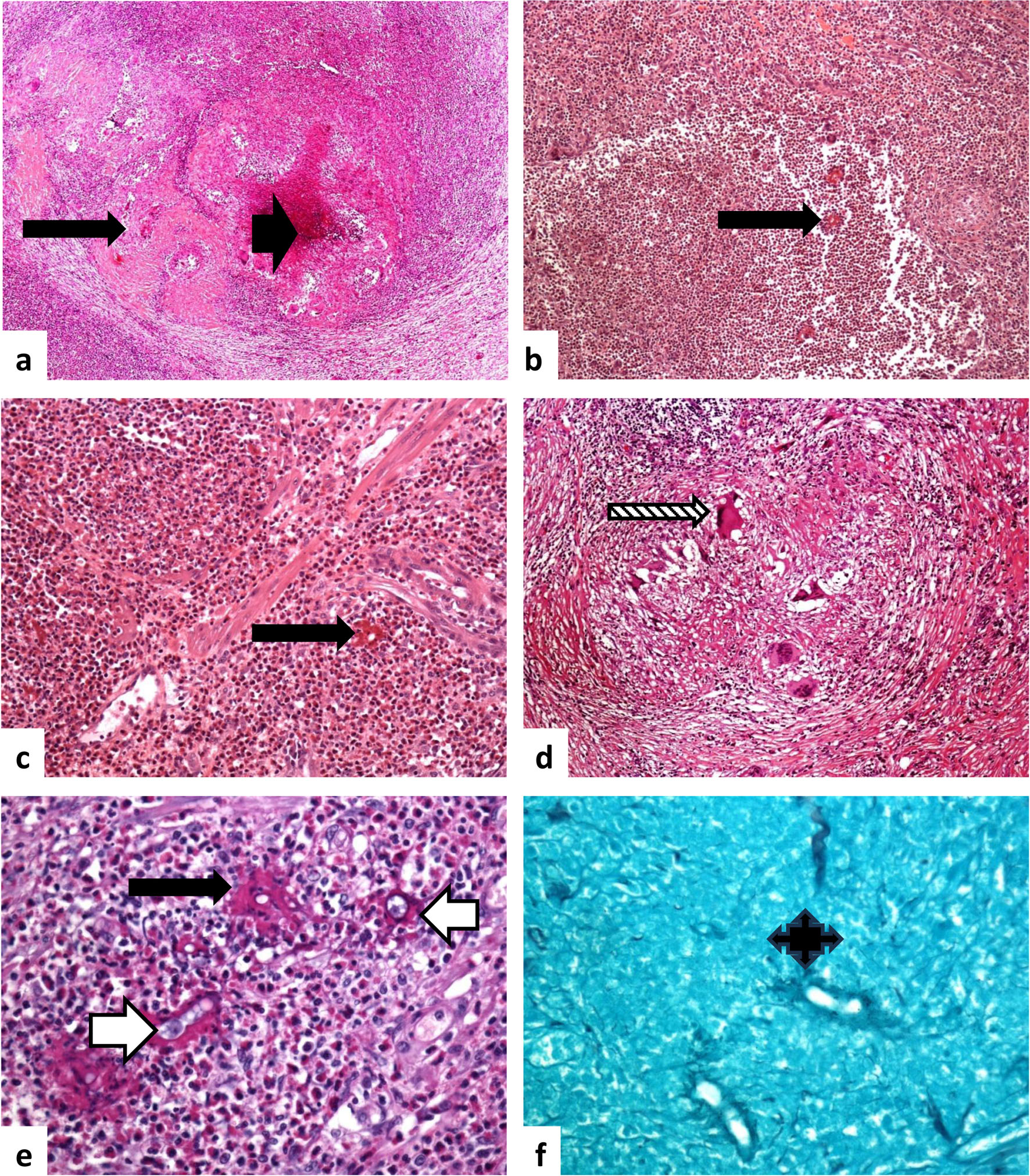
Basidiobolomycosis is a rare and potentially fatal fungal infection caused by Basidiobolus ranarum (B. ranarum). Retroperitoneal or mesenteric basidiobolomycosis can mimic malignant tumors clinically and radiologically. We describe a 15-year-old girl who developed retroperitoneal and mesenteric fungal masses due to B. ranarum. The patient presented with gradual onset of jaundice, significant weight loss, abdominal pain, and vomiting. Computed tomography revealed masses in the retroperitoneal and mesenteric regions with radiological findings suggestive of malignant neoplasm. Tru-Cut biopsy of the retroperitoneal mass confirmed basidiobolomycosis on histological examination. Following diagnosis, antifungal therapy was initiated with intravenous voriconazole (4 mg/kg/day for 2 weeks), followed by oral itraconazole (200 mg every 12 h). Regular follow-up through May 2026 demonstrated significant clinical improvement without major adverse effects. This case underscores the importance of recognizing basidiobolomycosis as a potential cause of retroperitoneal or mesenteric masses that may be misinterpreted as malignant tumors. Non-specific symptoms often delay diagnosis and appropriate treatment. Clinicians in regions where B. ranarum is endemic should include basidiobolomycosis in the differential diagnosis when evaluating patients with retroperitoneal or mesenteric masses.
Published
Issue
Section
License
Copyright (c) 2026 The authors

This work is licensed under a Creative Commons Attribution 4.0 International License.